Skip to content

Running, hiking, gym and walking shoes, without the marketing.

Independent footwear comparisons. We read the spec sheets, standards and fine print so you can work out which shoe actually fits what you need.

Products compared
65
Brands covered
18
Sponsored placements
0
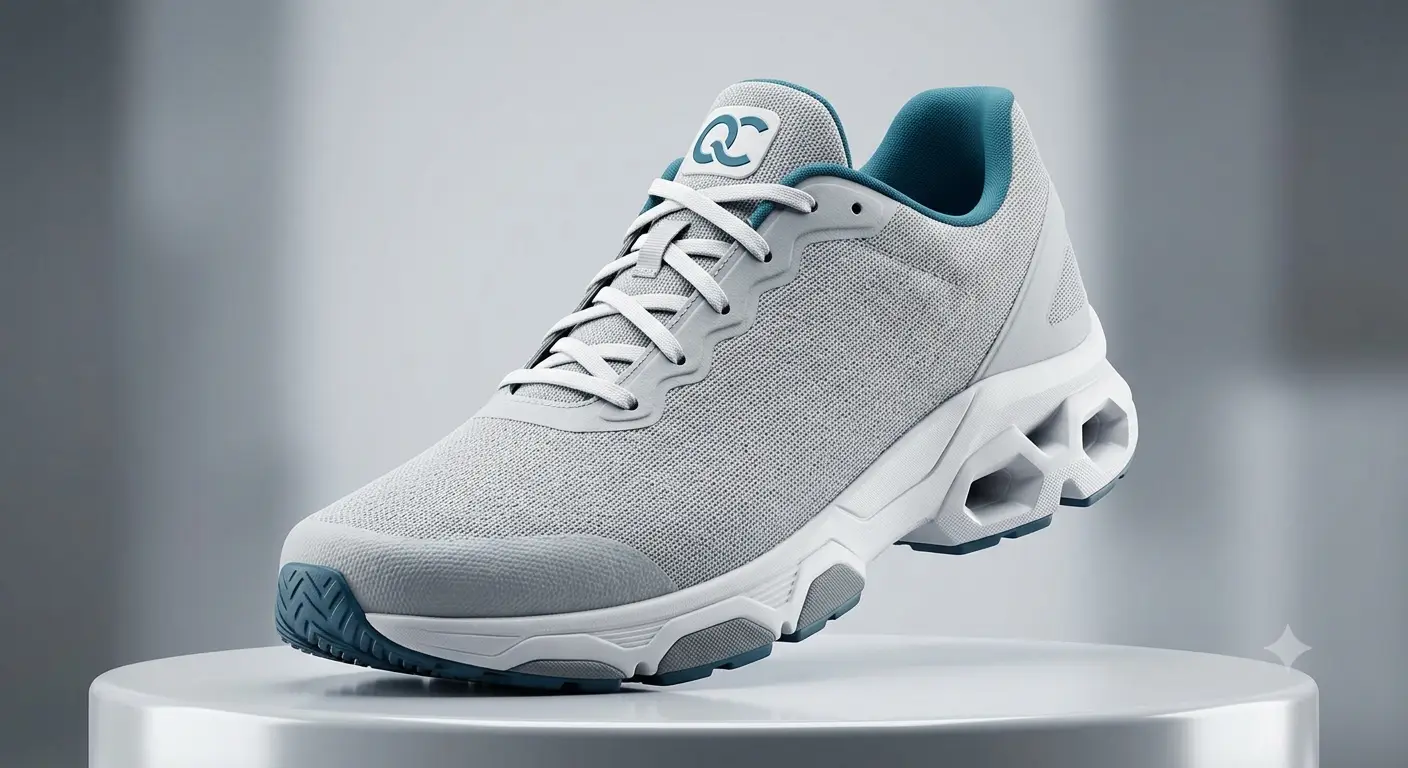
A grey and teal QC Shoes running shoe in profile, showing the cushioned midsole pods and treaded outsole

Browse by category

Latest reviews

View all →

Shop by need

Buying guides

View all →

We don't test shoes. We read the fine print.

We're a research and comparison site, not a testing lab, and we say so on every page. What we do is compare across brands, check whether claims like "slip-resistant" or "waterproof" have a standard behind them, and flag products sold into the wrong category. No sponsored placements, no paid inclusion.

How we review →

Frequently asked questions

How do I know if I need a wide fitting?

Measure the widest part of your foot, usually across the ball, in the evening when your feet have swollen. For US men's 9 to 11, under 92mm is narrow, 92 to 98mm is standard, 99 to 105mm is wide (2E) and over 105mm is extra wide (4E). Width letters are not standardised between brands, so check each brand's own chart rather than assuming the letter transfers.

What does "slip-resistant" actually mean on a shoe?

On its own, nothing. Slip-resistant is not a regulated term in the United States and no test is required to print it on a box. ASTM F3445 is the standard that gives it meaning, measuring a whole shoe's coefficient of friction on wet, contaminated surfaces. If a listing does not name F3445 or the older F2913, no test result stands behind the phrase.

Should I buy stability or neutral shoes?

Stability if your foot rolls inward too much when you land, which is called overpronation. Stability shoes use structural features such as guide rails or a medial post to limit that motion. Neutral shoes only cushion. Check the wear pattern on an old pair: heavier wear along the inner edge suggests you need stability.

How often should I replace shoes I stand in all day?

When the midsole stops rebounding, which is usually long before the upper looks worn. If a pair that felt good in month one feels flat by month six, the foam has packed out under sustained load. That is a replacement, not a problem an insole will fix.

Do you test the shoes you recommend?

No, and we say so on every page. We do not wear-test footwear. We compare published specifications, check whether claims like slip resistance have a standard behind them, and flag products sold into the wrong category. Where a shoe genuinely needs hands-on assessment, we say that rather than guessing.